


Taking Second Place at Niteco AI Hackathon 2026, IntelliOps made an impression not only with a high-potential idea, but also with a thoughtful approach and a clear vision from day one. United by a shared goal to optimize resources and tackle a common challenge, the team kicked off 48 hours of focused collaboration and determination.
“Second Place was a huge encouragement for the whole team. But more than that, what we really hope is to keep developing IntelliOps into a product that can create a long-term value.”
Here’s what the IntelliOps team had to say.
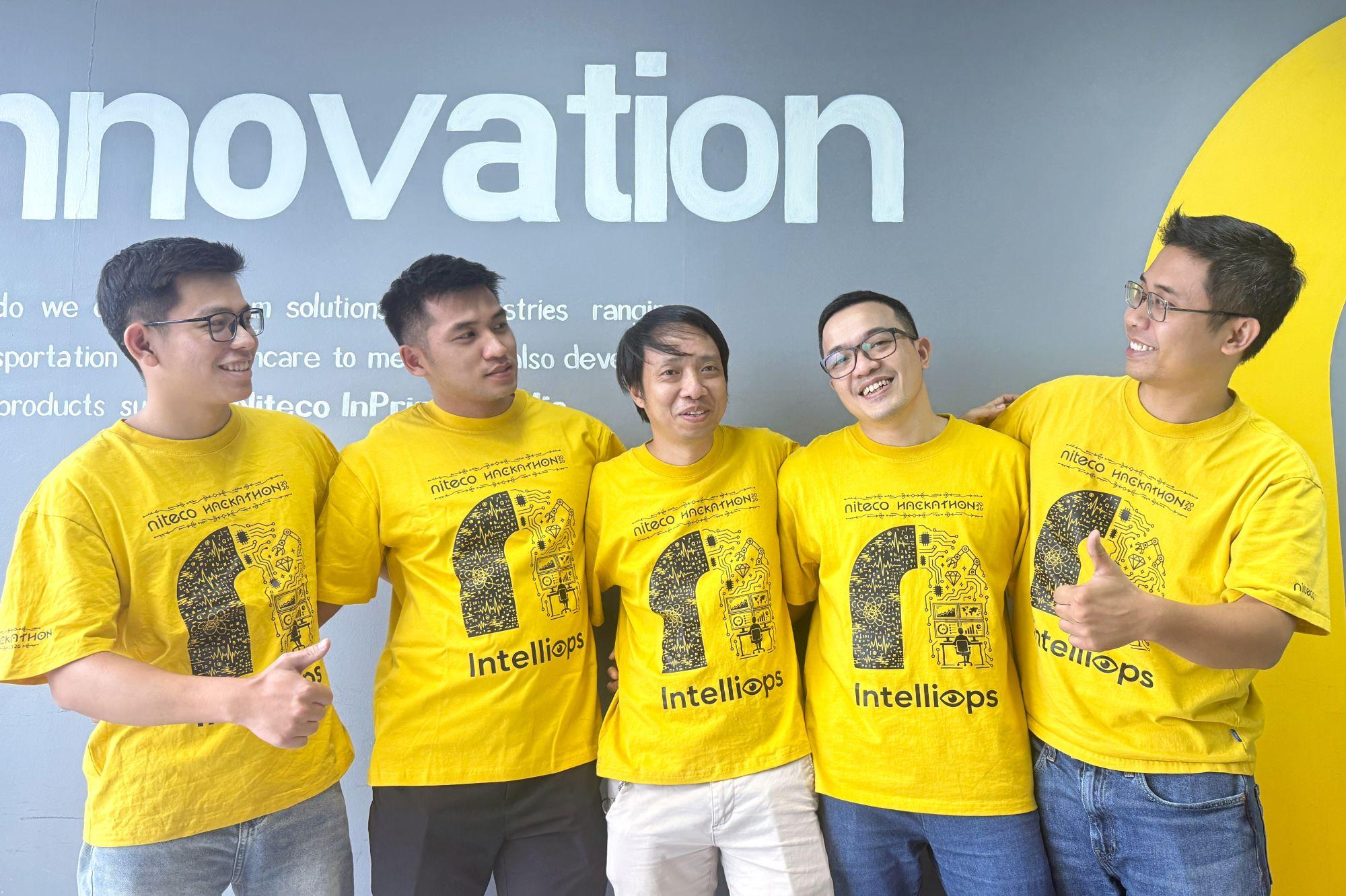
Before the results were announced, how would you rate your chances of winning on a scale of 10?
To be honest, IntelliOps didn’t put too much pressure on winning or losing. Most participating teams were made up of experienced coders, while IntelliOps was formed by members who were not deeply specialized in programming. Because of that, the team approached the Hackathon as an opportunity to learn and challenge themselves more than to compete for a prize, which helped everyone stay relaxed throughout the process of building the product.
What made the team choose this direction instead of the other ideas?
For us, the most important thing was choosing a problem that was real and relevant. It comes from a pain point the team experiences in day-to-day system and infrastructure operations for both Niteco and our clients. We believed AI could deliver clear, practical value in solving that challenge.
Do you think there are already similar solutions on the market? If so, what sets your idea apart?
We didn’t start by asking, “Has anyone else already built this?”.
We started by asking, “What problem are we facing, and how can we solve it better?”.
So even if similar products exist, this one is unique because it was built around Niteco’s own context, needs, and ecosystem.
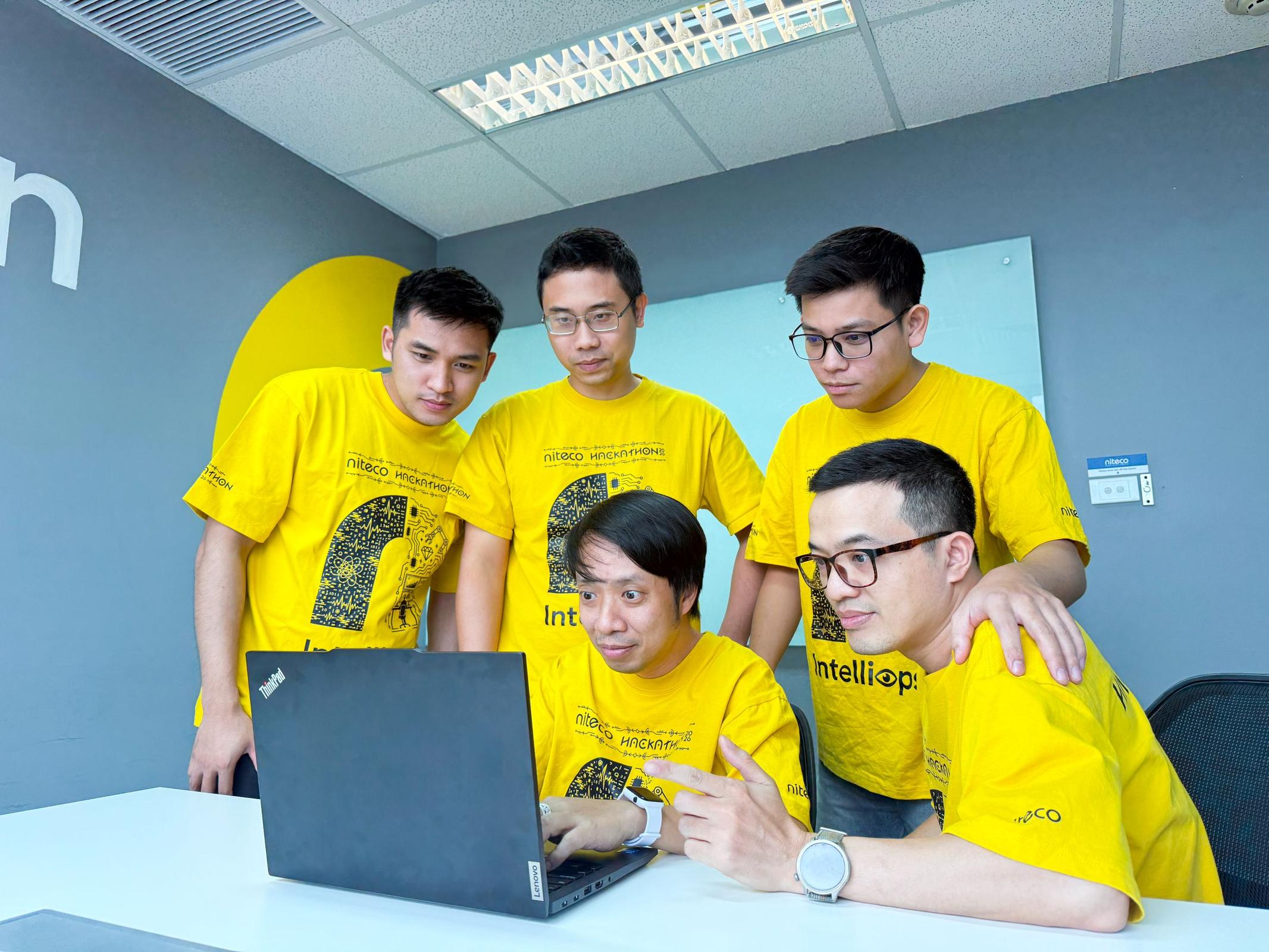
In what way does AI add value to this product?
The biggest strength of AI in IntelliOps is its ability to support and enhance user decision-making. It not only identifies high-risk incidents, but also shows the reasons behind that assessment, based on signals such as log patterns and historical trends. This means engineers can reduce manual analysis time and make more accurate diagnoses. Clear explainability gives users stronger reasons to trust the recommendations and act with more confidence. Most importantly, the solution is designed to keep users at the center of every decision.
When preparing the pitch, what did you choose to emphasize, and why?
We focused on three key points: the problem that exists, our approach to solving it, and most importantly, its feasibility. We wanted to show that the product is not just an idea, but it had a real potential to be implemented and used in practice immediately. Beyond that, the concept and architecture of the solution can also be extended to address the needs of different teams, departments, and client projects. Since the main difference is mostly in the data, the solution offers broad applicability and long-term growth potential.
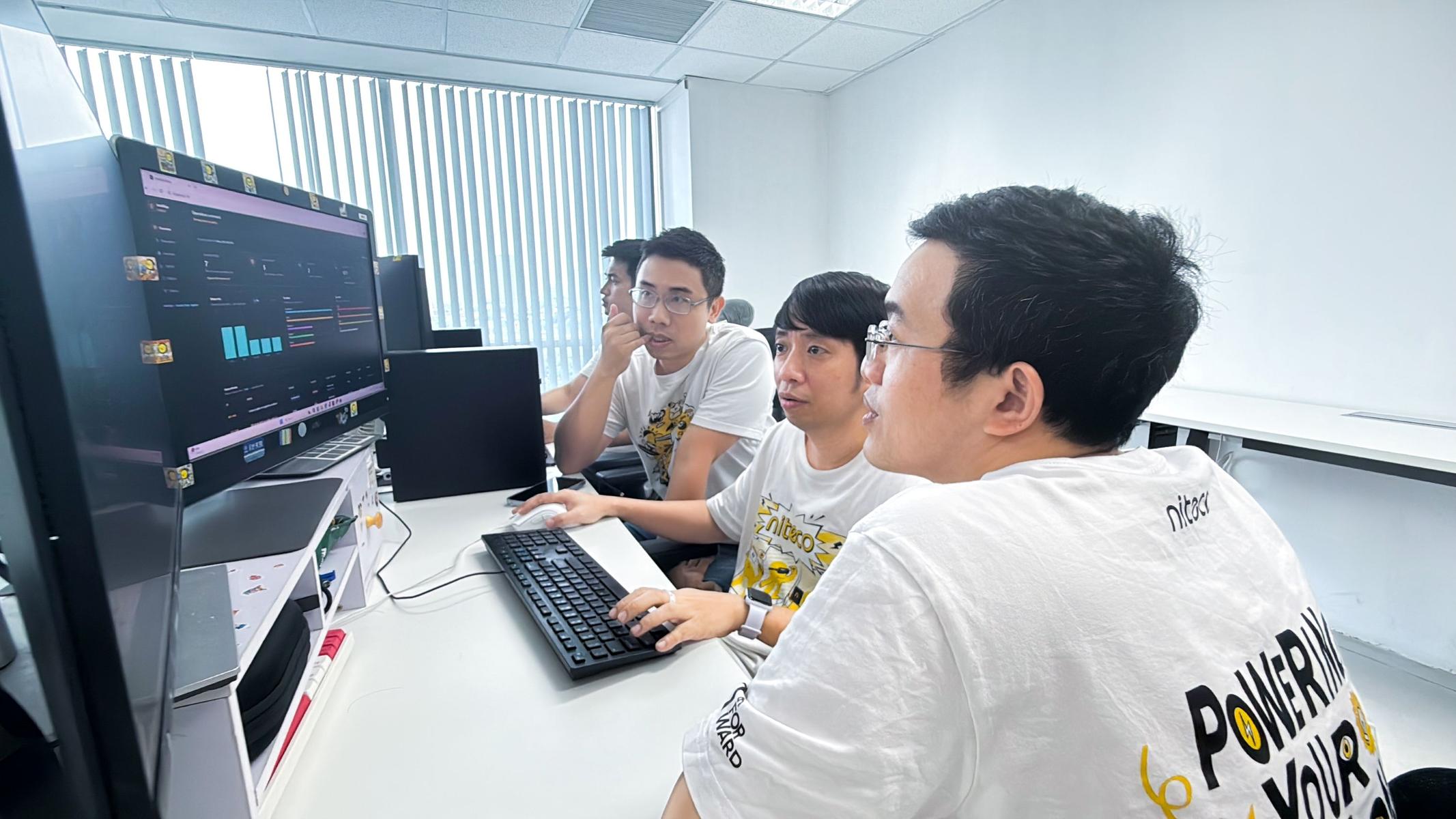
Was there anything in the judges' feedback that stayed with the team?
The judges pointed out that AI Knowledge takes a lot of time and effort to implement effectively, since the system must process and synthesize a large amount of information before it can produce useful results. So within just 48 hours, building a fairly complete solution to this problem was something the team felt especially proud of.
Over those 48 hours, what did the team learn about bringing AI into a real product?
What we learned most was that building a real AI product is not only about technology. It is also about teamwork: dividing tasks clearly, following a specific roadmap, and trusting each other throughout the process.
Was there a shift in how the team worked from day one to day two?
Yes, and quite significantly. On the first day, we were still expanding the idea, trying out different approaches, and debating a lot to choose the best direction. But once we aligned, we narrowed the scope, removed non-essential features, defined clearer roles, and moved much faster as a team. In a way, the time pressure helped us mature very quickly in just 2 days.
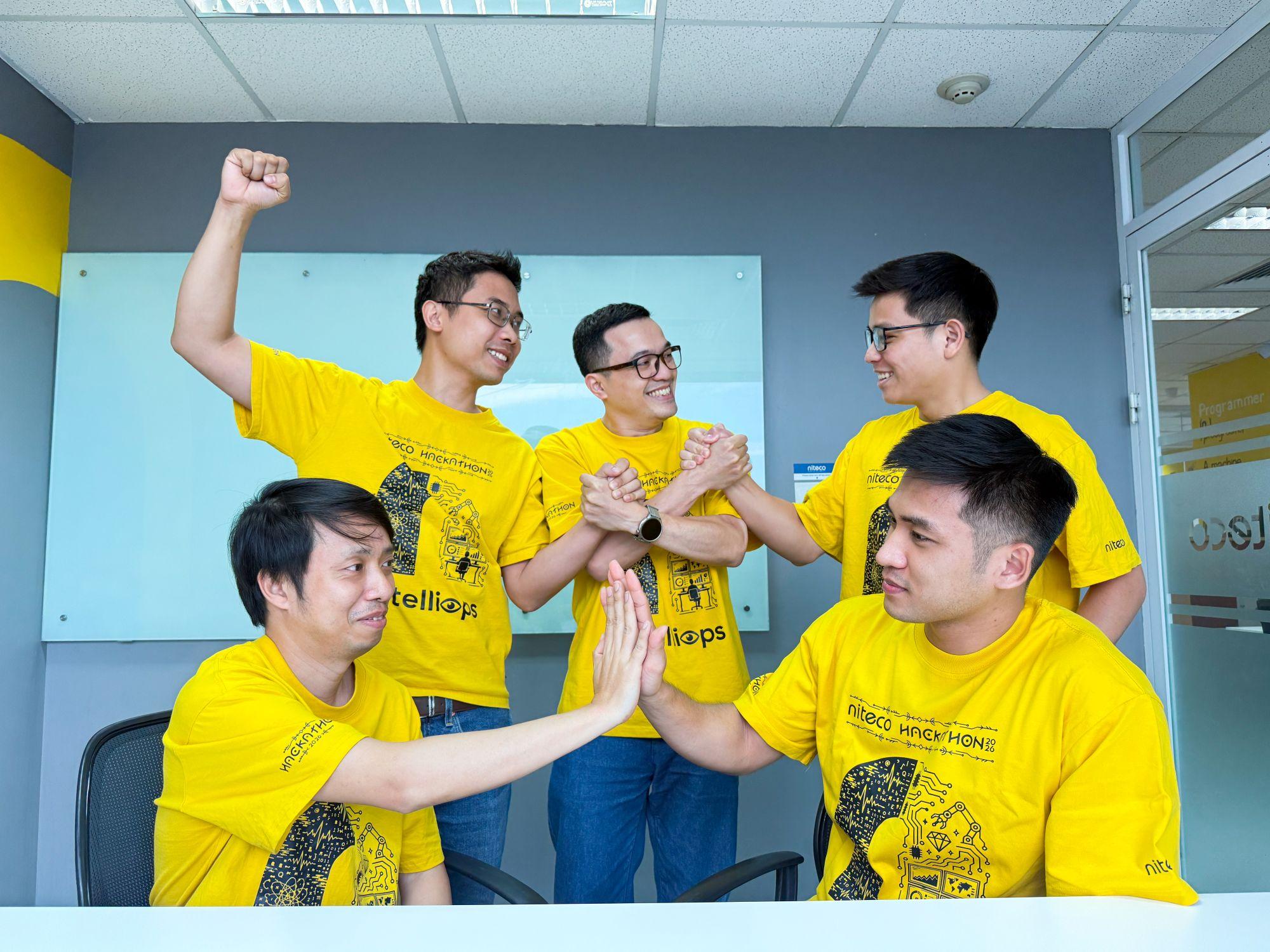
What makes the team believe this idea has long-term potential?
This is not a short-term need, but a problem that is likely to come up again and again in real life. If we continue improving the data, user experience, and accuracy, the product can grow far beyond the scope of a hackathon project.
Second Place was a huge encouragement for the whole team. But more than that, what we really hope is to keep developing IntelliOps into a product that can create long-term value.